
Free on-site gate assessment - hinges, posts, and your LiftMaster or Nice gate operator checked before anything is quoted
The assessment is free and the quote is the invoice.
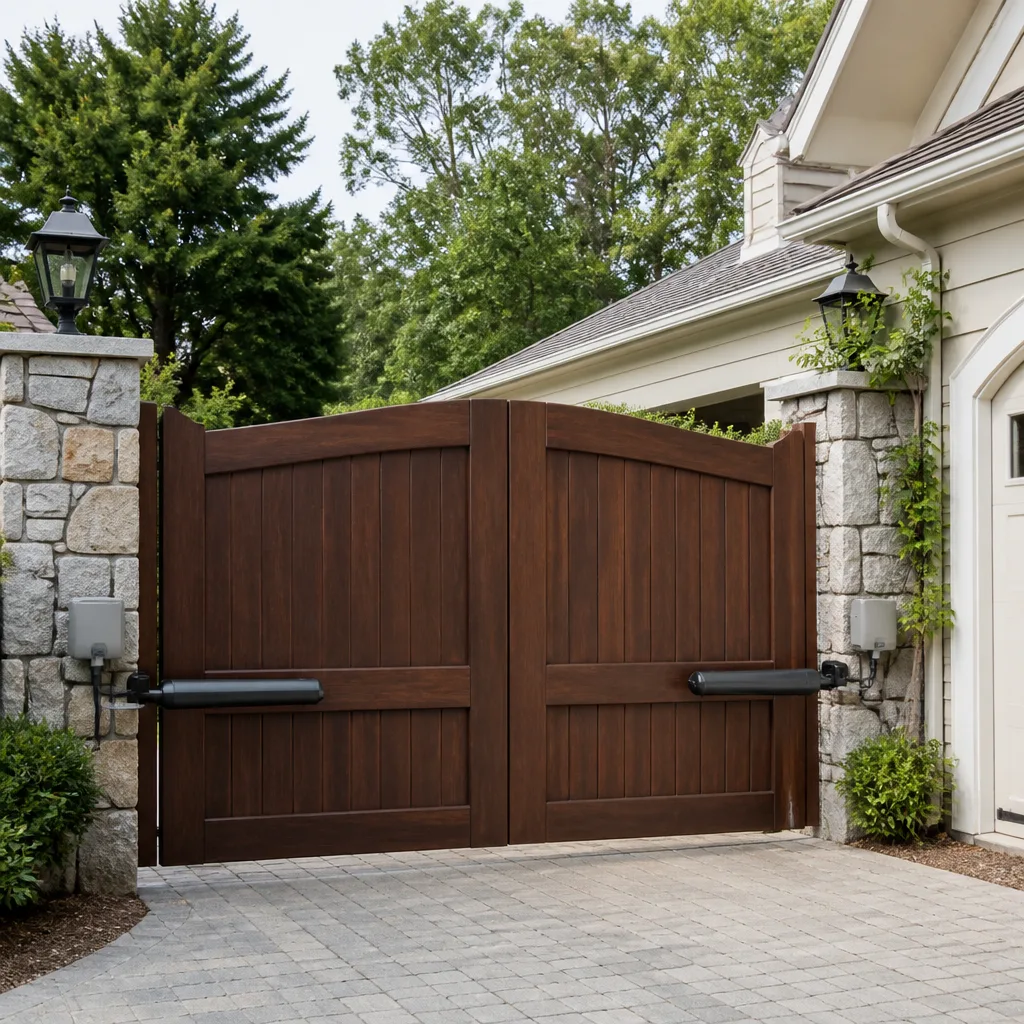
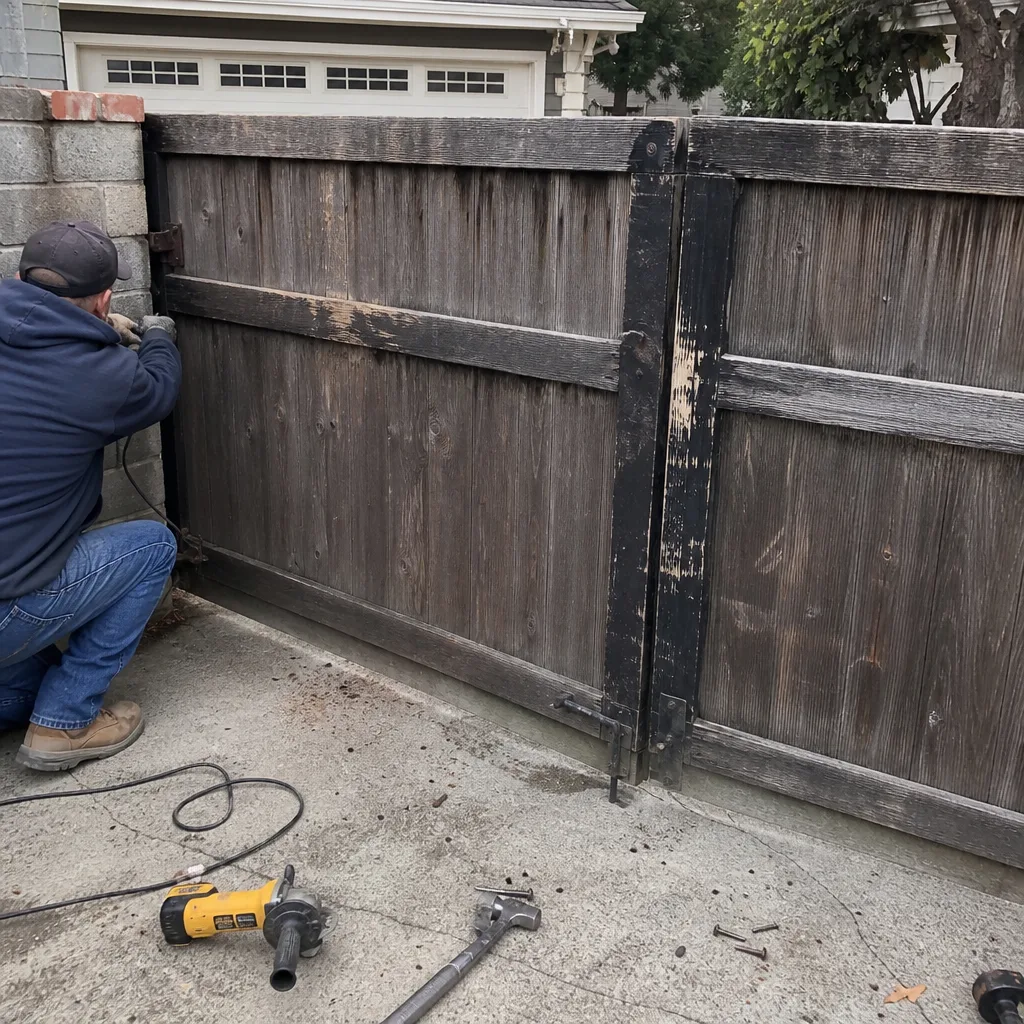 Before
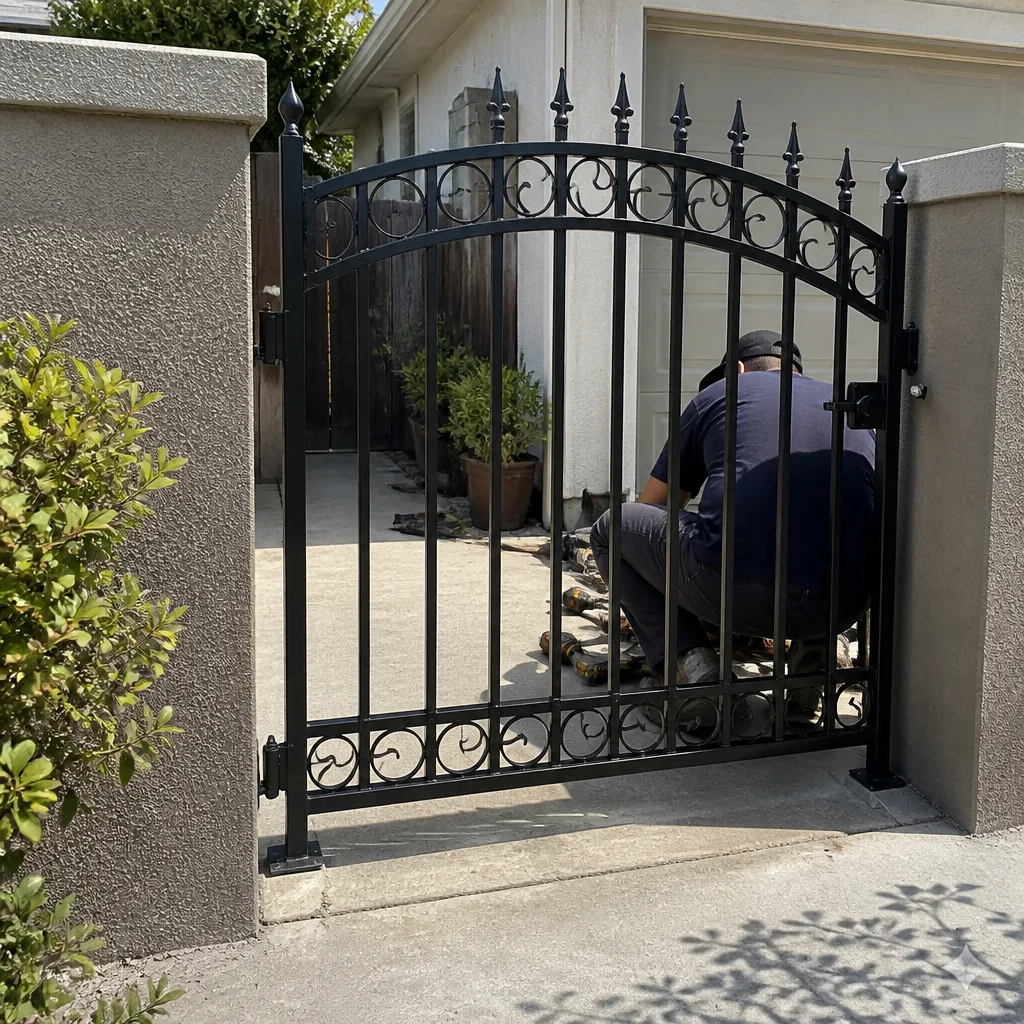 After
After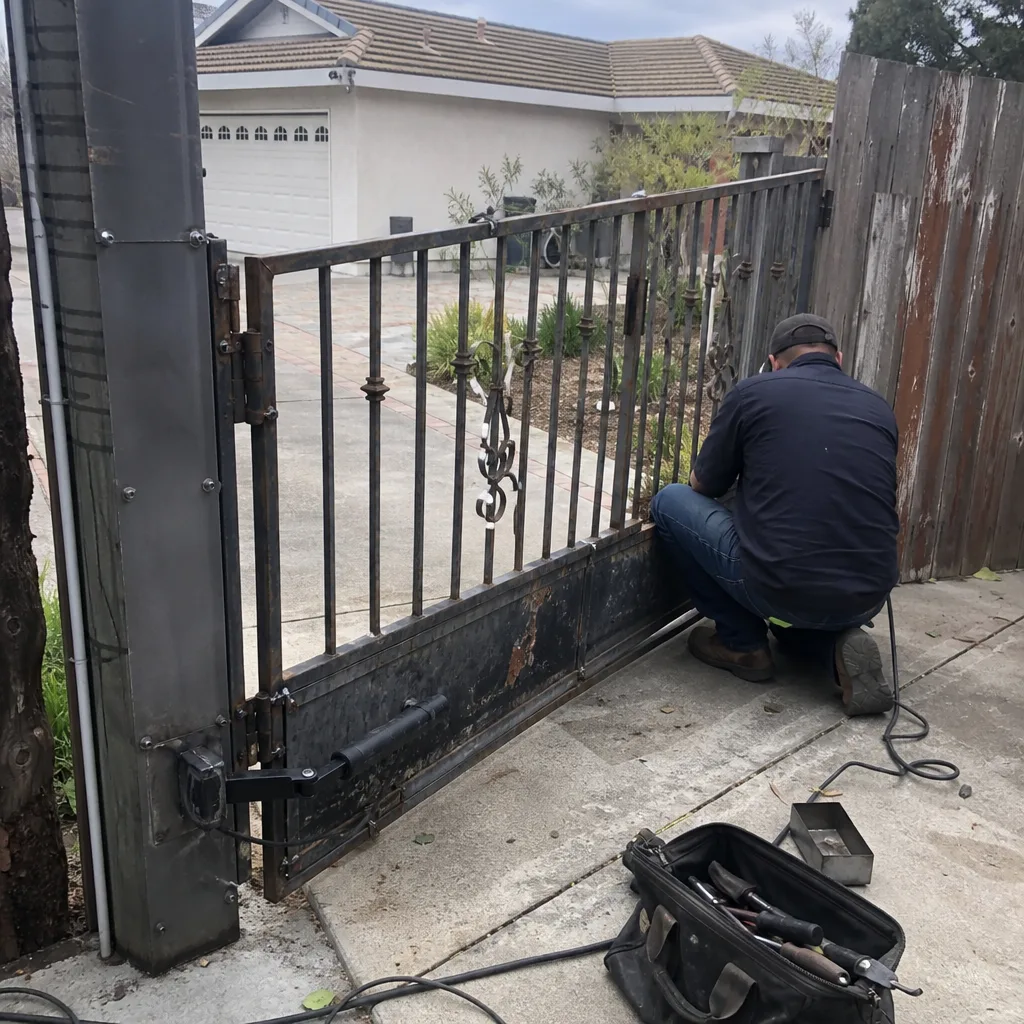 Before
 After
After Before
 After
AfterViking Access Control Installation: The Fremont Owner’s Guide
Viking access control installation in Fremont typically runs between $1,200 and $2,800 for a complete keypad or telephone entry system, depending on whether you’re wiring a single-family driveway gate in Ardenwood or a multi-tenant commercial entry in the Warm Springs district. Most residential Viking installs we dispatch are completed in one day, with the written price agreed before we pull wire. You’ll usually know something’s wrong when your Viking keypad stops responding to code entry, the proximity reader flashes but doesn’t release the lock, or tenants start calling because the directory button does nothing.
Which Viking Models This Applies To
Vance Gate Repair Fremont stocks and installs across the Viking residential and light-commercial lines, including the K-1, K-2, and K-2000 series keypads, the L-3 and L-4 telephone entry systems, and the H-10 and H-11 proximity readers. The fastest way to identify your unit is the label inside the housing, usually on the main board near the transformer, where Viking prints both the model number and the firmware revision.
Here’s where owners get tripped up: the K-2000 and K-2000-IP share the same faceplate dimensions, but the IP version requires a Cat5e home run back to your router, while the standard K-2000 runs two-conductor low-voltage to the gate operator. We’ve arrived at jobs in the Mission San Jose area where a homeowner ordered the wrong version online and the wiring was already pulled. For Viking specifically, we typically recommend OEM control boards and power supplies, the parts that handle logic and voltage regulation, while using quality aftermarket strike locks and exit buttons when the spec matches. The aftermarket lock hardware often outlasts the original in Fremont’s salt-tinged Bay air, but a third-party control board can throw phantom error codes that the Viking diagnostic sequence won’t recognize.
Signs Your Viking Access Control Installation Is Failing
- Keypad beeps but gate doesn’t move. The keypad is receiving power and accepting your code, which means the control board is alive, but the relay output to the gate operator has failed. On Viking units, this is usually a fused relay on the main board that opens after too many cycles, especially common on commercial gates in Fremont’s industrial parks where the gate cycles 200-plus times daily.
- Proximity card reads but lock stays engaged. The reader coil is sensing the card and sending data, but the strike lock isn’t getting the 24V release pulse. We find corroded connections at the lock terminals in about a third of these calls, particularly on east-facing gates in Fremont where morning fog collects in the housing.
- Directory buttons work for some tenants, not others. This points to corrupted memory in the directory module, not individual button failure. Viking telephone entry systems store tenant data on an EEPROM that can lose sectors after power fluctuations, something we’ve tracked more often in the Irvington area where overhead lines still feed older transformer banks.
- Intermittent operation, worse after rain. Moisture intrusion at the housing gasket or conduit entry. Viking housings are well-sealed when new, but the gasket compresses over four to six years of thermal cycling in California’s Central Valley temperature swings, and Fremont’s winter storms find the gap.
- Display is dim or flickering. The backlight inverter is failing, or the main board voltage regulator is drifting low. On units manufactured before 2019, we see capacitor bulging on the power supply section that causes this exact symptom around the seven-year mark.
 Before
 After
AfterReplacement Cost & What’s Included
| Component | Typical Range (Installed) | Notes |
|---|---|---|
| Viking K-1 / K-2 keypad, standalone | $1,200 - $1,650 | Includes housing, backbox, low-voltage run to operator |
| Viking K-2000 with directory | $1,800 - $2,400 | Multi-tenant; includes programming of up to 25 codes |
| Viking L-3 telephone entry | $2,200 - $2,800 | Requires phone line or cellular module; tenant programming extra |
| Strike lock replacement only | $340 - $520 | Aftermarket or OEM; includes alignment and testing |
| Control board swap (same model) | $580 - $890 | OEM board; programming transferred or rebuilt |
What moves the number: the distance from your gate to the nearest power source, whether we need to core drill for conduit in masonry, and whether the existing low-voltage cable is still viable or has to be repulled. Every install under The Haven Standard gets a written price before we start, Clause 1, and the 365-Day Done Right Promise covers the full assembly, not just the part. Under Clause 4, you get a photo log of the wiring path, the board settings, and the final test readings before we leave.
DIY or Call Us?
There’s a safe middle ground here. You can verify that your Viking unit is getting 120V at the transformer and that the low-voltage fuse isn’t blown, both checks with the housing open and the power off. If you find a blown fuse, replace it once. If it blows again, stop, the board has a shorted component and continuing risks fire or further damage.
Where DIY ends: programming the control board requires Viking’s proprietary software or a specific button-sequence dance that varies by firmware revision, and getting it wrong can lock the unit in a factory-default state that wipes all tenant codes. The 24V strike lock circuit can deliver a painful shock if you’re grounded and touch the wrong terminal. And any wiring run underground in Fremont requires proper conduit depth to meet local code, 18 inches for low-voltage in residential, which most homeowners don’t have the trenching tools to hit accurately. We’re at (510) 826-3980 when you’re ready for the written price and the documented install.
FAQs
Most Viking keypads and telephone entry systems last 8 to 12 years in Fremont’s climate before major component failure. The housing holds up well, but the gasket, relay board, and power supply capacitor are the usual failure points we see starting around year seven, especially on west-facing installations that take afternoon sun and then cool rapidly when the fog rolls in from the Bay.
Often, yes. Control board relay failure, capacitor replacement, and housing gasket swaps are all repairable at roughly 40 to 60 percent of replacement cost. We only recommend full replacement when the board is obsolete and parts are no longer stocked, or when the housing itself has cracked and lost its NEMA rating. Call (510) 826-3980 and we’ll diagnose before quoting either path.
A straightforward keypad swap on an existing gate operator takes three to four hours, including removal, wiring transfer, programming, and testing. A full telephone entry system with new conduit run and tenant programming is typically a full day. We schedule, not rush, and we don’t quote same-day completion on new installs because the measure and the written price come first.
We carry common Viking relays, power supplies, strike locks, and housing gaskets on every service vehicle in Fremont. Control boards and complete entry systems we order overnight when the exact firmware revision matters, which it usually does on units built after 2020. We’ll tell you before we leave whether your job is a same-day repair or a next-day parts run, no guessing.
Vance Gate Repair Fremont is an independent service provider, not affiliated with Viking Access Systems. We also stock parts for LiftMaster, Mighty Mule, and Ghost Controls operators when your gate motor needs attention alongside the access control.
Ready for the written price? Call (510) 826-3980. A live person answers, 24 hours a day, and we’ll schedule your free estimate in Fremont or nearby. Name what you found, name what it costs, name what you left behind.
Written by Adrian Vance, Owner & Lead Technician, Vance Gate Repair Fremont at Vance Gate Repair Fremont, serving Fremont and nearby areas.